Should NHS Use Magic Mushrooms to Treat Mental Health?
The idea sounds wild at first. Magic mushrooms on the NHS. Not in a field, not at a festival, but in a clinic with doctors, therapists, and clipboards. Yet this debate is no longer fringe talk. It is now happening inside universities, Parliament, and NHS strategy meetings.
Psilocybin, the active compound in magic mushrooms, is being studied as a treatment for serious mental health conditions. Depression that does not respond to pills. Anxiety tied to terminal illness. Addiction that keeps coming back. Supporters say science is catching up fast. Critics say the risks are still too big. The NHS is stuck in the middle, watching closely and waiting.
Why Psilocybin Has Doctors Paying Attention?
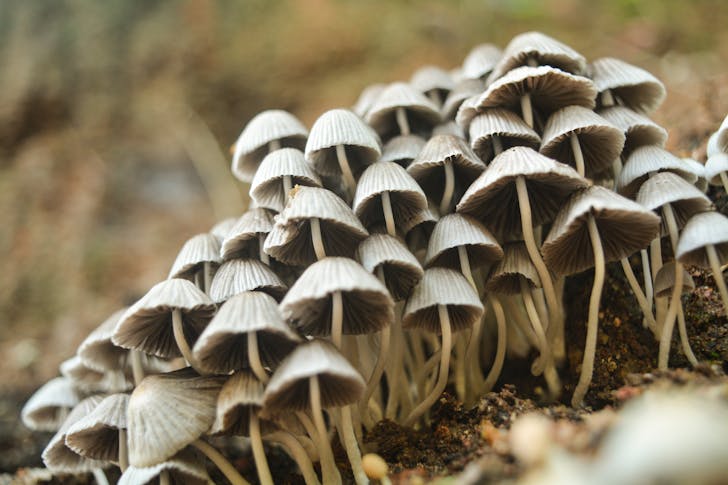
Hash / Pexels / Mental health care in the UK is under strain. Waiting lists are long. Staff are stretched thin. Antidepressants help many people, but not all.
Around 10% to 30% of people with depression do not improve with standard treatments. That group is large, frustrated, and running out of options.
Psilocybin therapy targets this exact problem. Early studies suggest it can reduce symptoms after one or two guided sessions. That is a sharp contrast to daily pills that can take weeks to kick in. Some patients report relief that lasts for months. For an NHS that spends over $33 billion a year on depression-related costs, that matters.
Researchers say the drug helps the brain reset rigid thought patterns. It is not about feeling high. It is about breaking mental loops that keep people stuck. The sessions are tightly controlled. Patients prepare for weeks, take the drug once under supervision, then return for therapy to process what came up. This structure is key and not optional.
The Legal Wall Blocking NHS Use
The catch is that psilocybin is illegal in the UK. It sits in Schedule 1 under the Misuse of Drugs Regulations 2001. That category claims the drug has no medical value and a high risk of harm. Heroin sits lower on the list. So does morphine.
This classification makes research painfully slow. Any study needs a Home Office license. The process can take 6 to 12 months. The cost can reach $20,000 or more. Smaller research teams cannot afford it. This blocks progress before it even starts.
In 2023, the Advisory Council on the Misuse of Drugs reviewed these barriers. They admitted the system discourages research. A cross-government group is now exploring limited exemptions. As of early 2025, nothing major has changed. Psilocybin remains locked away.
Other countries are moving faster. Australia now allows psilocybin therapy for some patients. Several US states have decriminalized or approved supervised psychedelic treatment. The UK risks falling behind in a field it once led.
Why Experts Urge Serious Caution?
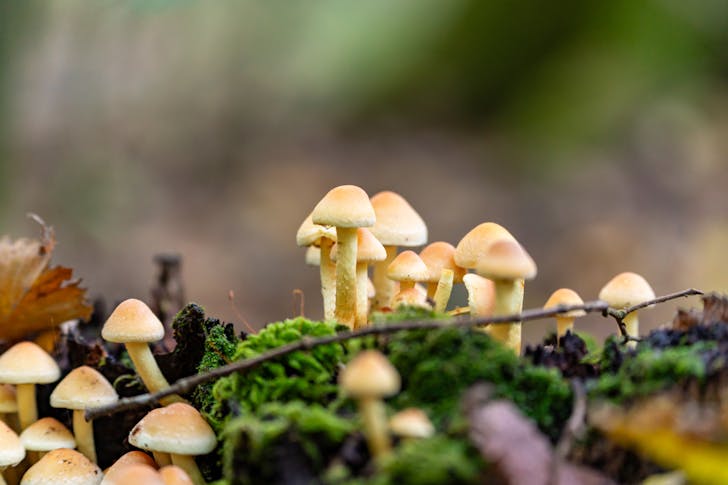
Vlad / Pexels / Psychedelics are powerful. They can trigger fear, confusion, and distress if used carelessly.
Data from the Challenging Psychedelic Experiences Project shows that 52% of users report a deeply difficult experience at least once. About 6.7% said they considered harming themselves or others afterward.
These numbers scare regulators. Even in clinical settings, the experience can be intense. Patients may relive trauma or lose their sense of self for hours. Without proper screening and support, that can do real harm.
There are also research gaps. Many studies are small. Some do not use placebo controls. Others struggle to separate the effect of the drug from the therapy around it. Professor Oliver Howes from the Royal College of Psychiatrists says larger trials are essential before routine use. The science must be solid, not just exciting.