Are Weight-Loss Injections Safe? Investigating Two Deaths in Ireland
Weight-loss injections have exploded in popularity across the United Kingdom over the last two years. Millions now rely on these medications to shed pounds and manage blood sugar levels. Now two reported deaths in Northern Ireland have pushed regulators to take a closer look.
The cases were flagged to the UK’s Medicines and Healthcare products Regulatory Agency, known as the MHRA. Officials stress that these reports only raise suspicion, not proof. Still, the news has sparked fresh debate about the safety of drugs many people see as a modern weight-loss miracle.
What Triggered the Investigation
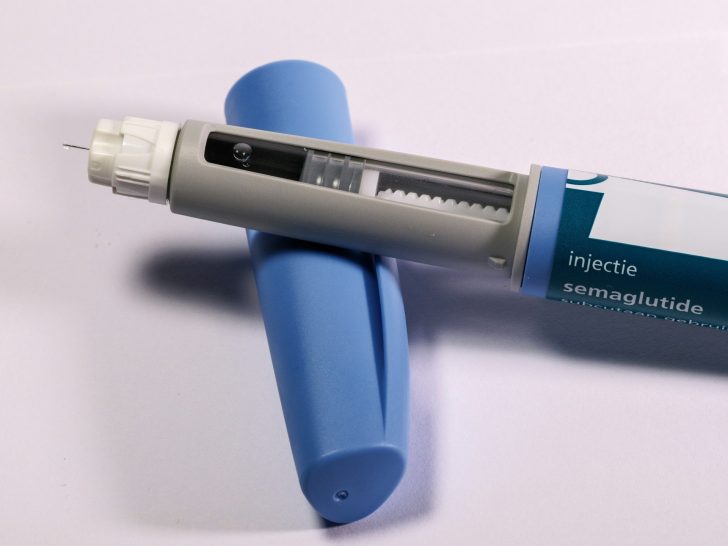
Hab / Unsplash / The MHRA received reports of two deaths linked to medications from a class known as GLP-1 drugs. One case involved Mounjaro, the brand name for tirzepatide.
The other case was linked to a semaglutide medication, the active ingredient used in well-known brands like Wegovy and Ozempic.
One of the individuals was in their forties and the other in their sixties. The available data does not confirm which age matches each case. Health officials also note that the reports came through a monitoring system and do not confirm that the medicines caused the deaths.
The information surfaced after a Freedom of Information request released data from Northern Ireland. Regulators say the reports are part of a much larger pool of suspected drug reactions recorded during 2024 and 2025. Officials continue to review the details carefully before drawing any medical conclusions.
The MHRA made it clear that suspected reactions often include cases where other illnesses or unrelated medical events might be responsible. Some reports can also turn out to be coincidental. The agency’s role is to monitor signals early and investigate patterns if they appear.
The Yellow Card System and Safety Monitoring
The reports came through the UK’s Yellow Card scheme, a national safety program that tracks side effects linked to medicines. Doctors, pharmacists, and even patients can submit reports if they notice unusual symptoms or health problems after taking a medication.
Northern Ireland recorded 511 suspected adverse drug reaction reports tied to GLP-1 medications across 2024 and 2025. Healthcare professionals submitted about 82 percent of those reports. Regulators say medical staff often spot patterns early because they treat large numbers of patients.
Out of the total reports, 242 were classified as serious while 267 were labeled non-serious. A single patient report can list several symptoms or reactions, so the numbers do not represent individual patients. Instead, they help regulators identify possible trends that require closer study.
The breakdown also showed which drugs appeared most often in the reports. Mounjaro accounted for 317 suspected reactions, while Wegovy appeared in 135 reports. Ozempic appeared far less frequently, with 12 submissions recorded during the same period.
Pancreatitis Concerns Add to the Debate
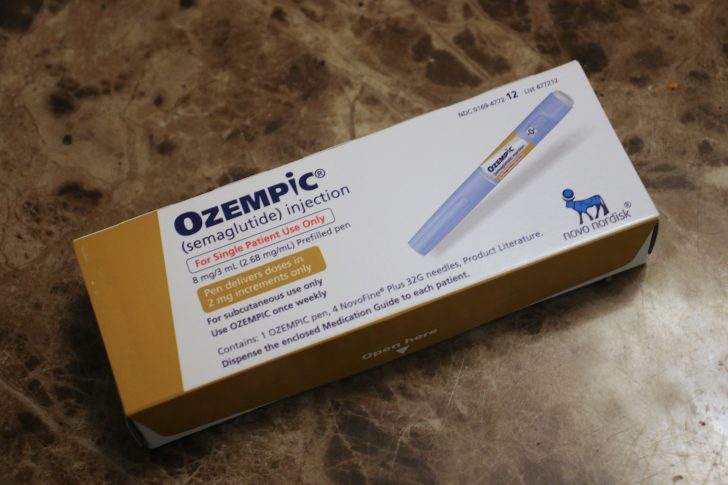
David / Unsplash / The data also revealed six reported cases of acute pancreatitis among users of these medications in Northern Ireland.
Pancreatitis causes painful inflammation of the pancreas and can require hospital treatment. Doctors watch closely for this condition because it can become serious if untreated.
Earlier this year, the MHRA issued a warning highlighting pancreatitis as a possible side effect of GLP-1 medications. Gallstones, which sometimes occur during rapid weight loss, can trigger this condition. Researchers continue to study whether the drugs themselves increase that risk.
Across the UK, regulators have logged more than 1,200 pancreatitis reports linked to these medications since they entered the market. That number reflects years of use across millions of patients. Regulators say the overall safety profile still appears favorable when used correctly.
GLP-1 medications were originally developed to treat type 2 diabetes. Doctors later noticed that patients taking the drugs often lost significant weight. The medications slow digestion, reduce appetite, and help regulate blood sugar levels.